A kitchen renovation is the perfect time to upgrade performance, safety and efficiency behind the scenes. The right kitchen renovation electrical plan keeps appliances humming, benches clutter-free and work zones well lit—while meeting Australian standards. Here’s what to consider before cabinetry is locked in.
Dedicated circuits
Modern kitchens demand power. Fridges, dishwashers, ovens, induction cooktops, rangehoods and microwaves all compete for supply. To avoid nuisance tripping and voltage drop, plan dedicated circuits for high-load appliances.
- Oven circuit: Most built-in ovens need a dedicated supply sized to the manufacturer’s rating, with an isolation switch accessible but discreet. This protects other circuits from overload and makes servicing safer and faster.
- Cooktop: Electric and induction cooktops often require their own circuit too. Confirm ratings early so we can size cabling correctly.
- Dishwasher & microwave: These can share a small-appliance circuit in some designs, but separate circuits improve reliability—especially in busy family kitchens.
- Refrigerator: A dedicated circuit helps avoid resets after trips elsewhere and supports surge protection options.
- Small appliance runs: Plan generous capacity for kettles, toasters, mixers and benchtop ovens. It’s better to provision now than patch later.
Good load planning avoids heat build-up, protects electronics and keeps your renovation compliant and hassle-free.
Outlet placement (including island solutions)
Convenient outlets reduce cable clutter and make the space safer. Measure real appliance footprints, then mark outlet heights before the splashback and cabinetry go in.
- Benchtop zones: Position outlets where appliances actually live—coffee corners, baking stations and breakfast nooks. Consider USB-C/PPS outlets for fast device charging away from the cooktop.
- Under-bench appliances: Provide fixed outlets in adjacent cabinets with isolation access. Avoid trailing leads behind drawers.
- Pantry power: A powered appliance pantry keeps benchtops clear and doors closed while devices run.
- Island pop up outlet: For islands without vertical surfaces, a flush island pop up outlet gives safe, on-demand power for mixers and laptops, then hides away for a clean look. We’ll locate it with required clearances and moisture protection in mind.
- Rangehood & integrated lighting: Plan concealed feeds so you don’t see cords or conduit after installation.
Early coordination with your cabinetmaker prevents last-minute compromises and ensures every outlet has space, clearance and the right backing.
Lighting layers (ambient, task, accent)
Great kitchens use three layers of light so cooking and cleaning are simple at any time of day.
- Ambient: Ceiling downlights or a central fitting provide general illumination. Space fittings to avoid shadows over benches and the sink.
- Task lighting: Bright, focused task lighting under overheads or shelves lights the worktop where knives and hot pans live. Low-glare LED strips with diffusers are ideal. Switch them separately so you’re not lighting the whole room for a quick prep.
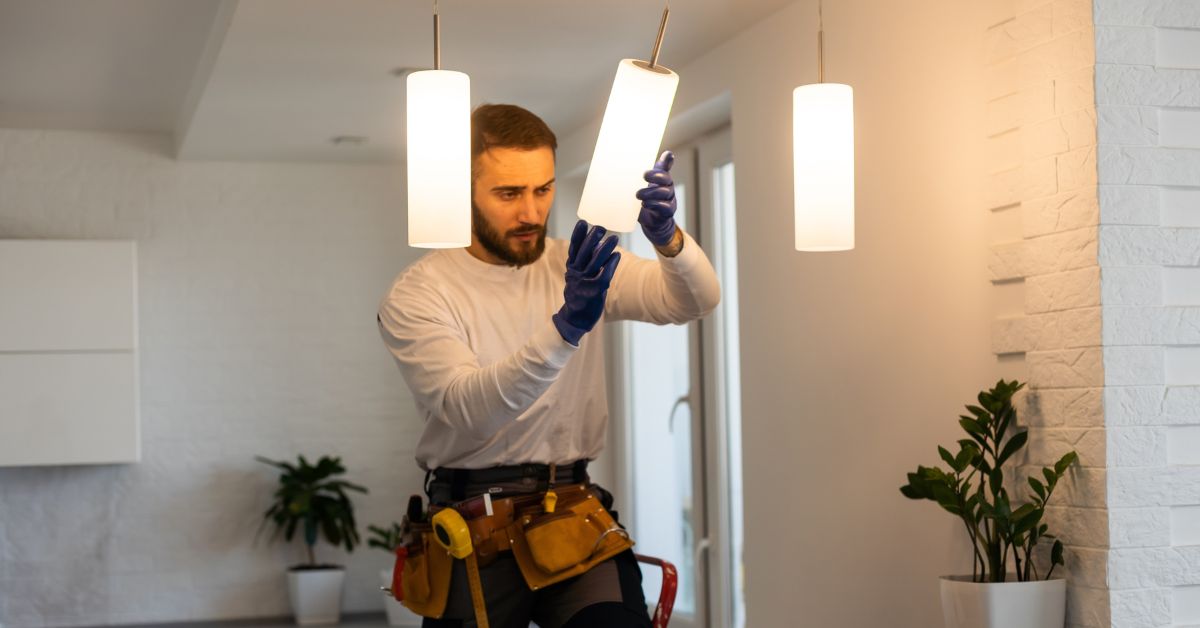
- Accent & feature: Pendants over the island add warmth and visual focus. Toe-kick and cabinet-interior LEDs add subtle glow and night-path visibility.
- Controls: Use grouped switching or dimmers for scene control (cook, dine, clean). Consider smart dimmers that retain manual switches—best of both worlds.
- Colour temperature: Keep a consistent CCT (e.g., 3000–3500K) across the kitchen to avoid mismatched tones between fittings and strips.
Lighting planned alongside power keeps wiring efficient and avoids crowded cavities.
Compliance & safety
Electrical work in a kitchen is not a DIY zone. Wet areas, metal appliances and high loads demand careful design and installation by a licensed electrician.
- Australian Standards: All work is completed to the Wiring Rules (AS/NZS 3000) and local network requirements.
- RCD protection: Safety switches (RCDs) protect final subcircuits supplying sockets and lighting. We’ll verify your switchboard capacity and upgrade if needed.
- Isolation & labelling: Clear isolators for fixed appliances make maintenance safer and faster.
- Clearances & IP ratings: Outlets, lighting and switches near sinks or splash zones are selected and positioned to suit moisture exposure.
- Earthing & bonding: Correct earthing for appliances and metallic fixtures reduces shock risk.
- Certification: You’ll receive applicable documentation for the electrical works on completion.
Compliance protects your family, your insurance and the value of your renovation.
Planning a kitchen renovation electrical upgrade on Brisbane’s Northside? Talk to Erose Electrical. We’ll design a dedicated oven circuit and cooktop supply, place outlets exactly where you need them—including a discreet island pop up outlet—and layer lighting for comfort and safety with focused task lighting.
You’ll get clear communication, tidy workmanship and licensed, fully compliant installation. If anything isn’t perfect, we’ll work with you on a cost-effective fix. Get in touch today to book a site visit and power your new kitchen the right way.