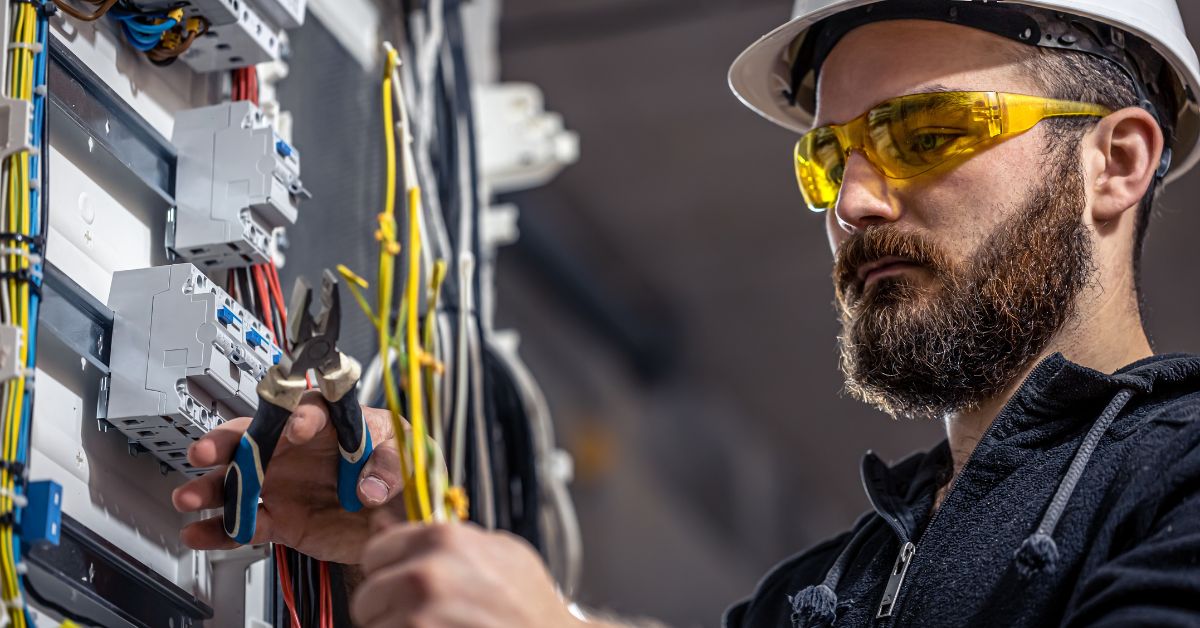
Your guide to electrical switchboard upgrade cost Brisbane: the switchboard is the heart of your home’s electrical system, distributing power safely and efficiently to each circuit. With modern safety requirements (RCD/RCBO protection, surge protection) and rising household loads, upgrading an ageing board has become essential for many Brisbane homeowners. This article outlines typical Brisbane price ranges, the key cost drivers (board size/condition, mains capacity, meter panel or asbestos backboard replacement, number of circuits, access and compliance testing), and practical tips to plan and budget effectively.
Average Cost of a Switchboard Upgrade
Switchboard upgrade costs in Australia vary depending on factors such as home size, the type of switchboard required, and specific safety needs. Below is a general cost breakdown:
- Basic Upgrades: For small homes with minimal electrical needs, a standard switchboard upgrade can cost between AUD $700 and $1,200. These upgrades typically cover basic safety requirements and are suitable for smaller properties.
- Standard Upgrades: For mid-sized homes, a switchboard upgrade with added safety switches and circuit breakers generally costs between AUD $1,200 and $2,000. This upgrade circuit breaker cost covers the installation of modern safety features in line with current standards.
- Advanced Upgrades: Large homes with extensive electrical systems may require a more complex switchboard with additional safety and compliance features. For these, costs can range from AUD $2,000 to $3,500, especially if specialised equipment or added wiring is needed.
These estimates provide a general idea of upgrade costs, though the final price will depend on specific household requirements and the complexity of the upgrade — a helpful benchmark when researching electrical switchboard upgrade cost Brisbane.
Factors Affecting Switchboard Upgrade Costs
Several key factors can influence the total cost of upgrading a switchboard. Here are some of the primary considerations:
- Electrical Demands: Homes with higher power needs, such as those with multiple appliances, air conditioning units, or electric heating systems, may require switchboards that handle increased loads. These more advanced boards tend to be more expensive due to added capacity and complexity.
- Safety Components: Modern switchboards often include Residual Current Devices (RCDs) and circuit breakers for enhanced safety. Adding these components increases the initial cost but provides critical protection against electrical faults and overloads.
- Compliance and Upgrades: Older homes may require additional work to bring the entire electrical system up to current standards. This could involve replacing outdated wiring, rewiring circuits, or adjusting configurations for optimal safety. Compliance upgrades can add between AUD $200 and $1,000, depending on the scope of work needed.
- Location and Accessibility: In some cases, the switchboard’s location can impact labour costs, especially if it is difficult to access or requires relocation. Installations in older homes, where wiring may be less accessible, may add labour hours and increase the overall cost.
Considering these factors allows homeowners to budget accurately and ensures the upgraded switchboard meets current safety and operational standards.
When a Switchboard Upgrade is Needed
There are several signs that indicate it may be time to consider upgrading a switchboard. Here are some common indicators of an outdated system:
- Frequent Circuit Breaker Trips: If circuit breakers are regularly tripping, this could indicate that the switchboard is unable to handle the household’s power load. This is a common issue in homes where electrical demands have increased but the switchboard has not been updated accordingly.
- Fuses Instead of Circuit Breakers: Older switchboards that use ceramic fuses instead of modern circuit breakers are often less safe and efficient. Ceramic fuses can overheat or fail to trip quickly enough in the event of an overload, increasing the risk of fire or electrical faults.
- Burning Smell or Scorch Marks: Any signs of burning, scorching, or melting near the switchboard are immediate red flags. These issues may be caused by faulty wiring, overloaded circuits, or outdated components that need urgent replacement.
- No Safety Switches: Modern switchboards are equipped with safety switches (RCDs) that shut off power instantly in case of a fault. If a switchboard lacks these devices, it does not meet current safety standards and should be upgraded to provide better protection against electrical hazards.
- Expansion Needs: Renovations, the addition of new appliances, or upgrades like solar power installation often require extra circuits. Older switchboards may lack the capacity to accommodate these changes, necessitating an upgrade.
Recognising these signs can help homeowners take proactive measures, ensuring that their electrical system is both safe and capable of meeting current and future demands.