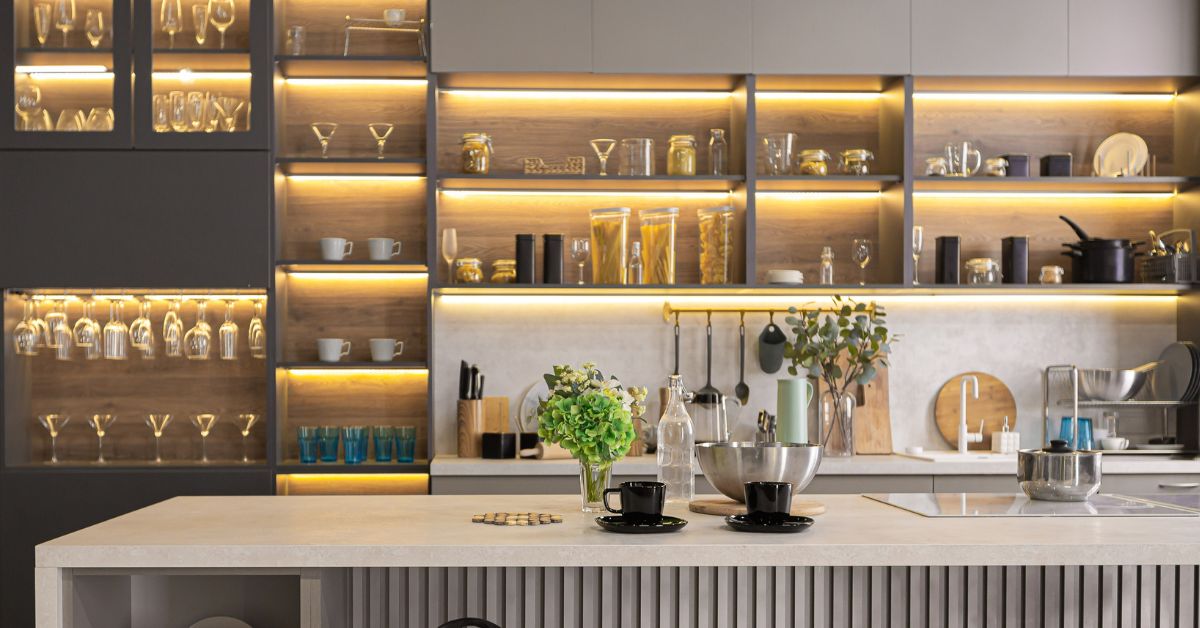
LED (Light Emitting Diode) lights have transformed modern lighting with their energy-efficient design, long lifespan, and low environmental impact. Known for their ability to convert most of their energy directly into light, LEDs are far more efficient than traditional incandescent or halogen bulbs, which waste a large portion of energy as heat. Yet many people wonder: do LED lights get warm? In this guide, we’ll explore how LED lights handle heat, the benefits of their low heat emission, and practical tips for managing any warmth they may generate.
Do LED Lights Emit Heat?
While LED lights are significantly more efficient than traditional lighting options, they still emit some heat. However, LEDs manage heat differently. Unlike incandescent bulbs, which release heat in all directions as a by-product of their light, LEDs produce minimal heat, which is directed away from the light source through a heat sink, allowing the light to remain cool to the touch.
LEDs function by passing an electric current through a semiconductor, which emits light in a process called electroluminescence. This method is highly efficient and results in very low heat output, especially compared to incandescent bulbs that convert up to 90% of energy into heat. LEDs, in contrast, emit roughly 90% of energy as light, with only about 10% lost as heat. The small amount of heat they do produce is directed away from the LED chip itself to maintain the bulb’s optimal temperature, thus ensuring consistent light quality and durability.
Benefits of Low Heat Emission in LED Lights
The reduced heat emission of LED lights brings several practical and safety benefits:
- Safety: LED lights are safer for both household and commercial use, as they remain cool to the touch, reducing the risk of burns or accidental fires. This feature is particularly useful for lamps or fixtures that are frequently handled or placed close to flammable materials.
- Energy Efficiency: Because LEDs convert most of their energy into light rather than heat, they operate efficiently, reducing energy consumption and costs. This efficiency makes LEDs the preferred choice for environmentally conscious homeowners looking to save on electricity bills.
- Reduced Fire Risk: Traditional bulbs, especially halogens, can become extremely hot and present a fire hazard when placed in enclosed fixtures or close to materials like fabric. LEDs’ low heat output significantly reduces this risk, making them suitable for use in spaces where heat-sensitive items are present.
- Longer Lifespan: Heat is one of the main factors that can reduce the lifespan of a light bulb. Since LEDs operate at much lower temperatures, they experience less thermal stress, which contributes to their impressive longevity and reduces the need for frequent replacements.
With these advantages, it’s clear why LEDs have become the preferred lighting choice for a wide variety of applications, from residential homes to commercial spaces.
LED Light Heat Management
Although LED lights emit very little heat, certain conditions may lead to overheating, particularly in enclosed or poorly ventilated fixtures. Here are some tips to ensure safe LED use and optimal heat management:
- Use Open Fixtures Where Possible: While LEDs can be used in most types of fixtures, opting for open fixtures allows heat to dissipate more effectively. Enclosed fixtures may trap heat, causing the LED to warm up, which could impact performance and lifespan.
- Check for Compatibility with Dimmers: Not all LEDs are compatible with dimmer switches, and using incompatible dimmers can result in flickering or excessive heat buildup. If you plan to use a dimmer, select LED bulbs specifically designed to work with dimmable fixtures.
- Opt for Quality LEDs: High-quality LEDs are designed with advanced heat sink technology, which helps dissipate heat away from the light source. Investing in reputable brands with quality heat management components will ensure that the LED operates at a stable, cool temperature.
- Regularly Inspect and Clean Fixtures: Dust and debris can accumulate around fixtures, especially those placed in enclosed spaces. Periodically cleaning and inspecting your LED fixtures will help maintain airflow, ensuring that heat dissipates effectively.
- Avoid Overloading Circuits: While LEDs consume less power, it’s important to avoid overloading electrical circuits, especially in older homes. Using a circuit with adequate capacity helps prevent excess heat buildup in lighting systems and ensures safe operation.
By following these practical tips, homeowners can enhance the performance of LED lights and enjoy their long-lasting, energy-efficient qualities.
In answering the question, do LED lights get warm?, it’s clear that while LEDs do produce a small amount of heat, their advanced design manages it far more effectively than traditional bulbs. This low heat emission offers numerous benefits, from improved safety and energy efficiency to a reduced risk of fire. By implementing best practices such as using open fixtures, choosing quality LEDs, and ensuring proper ventilation, homeowners can fully enjoy the many advantages of LED lighting. LED lights are a smart, sustainable choice for anyone looking to reduce their environmental impact while maintaining a safe and comfortable living space.